A veteran journalist has accused Chris Bowen of leaving Australia exposed to fuel shortages and effectively handing control of the nation’s energy system to China.
Seven News Spotlight reporter Liam Bartlett blamed the Albanese government’s aggressive renewables push for what he called an imminent national energy crisis.
‘If the war with Iran has done nothing else, it’s given us all a real‑world, real‑time lesson in what truly runs our lives,’ he wrote in an op-ed on Monday morning.
‘A brutal reminder of which fuels actually matter and what government must do to protect the chain of supply and hence the livelihoods of its people.’
Bartlett questioned how a nation rich in coal, gas and oil could be facing fuel stress at petrol stations, calling the situation rhetorical and directing blame at the country’s Energy Minister.
‘Of course, all of these are rhetorical questions because our road to the global fuel begging bowl is a one‑way street to the office of energy minister Chris Bowen,’ he wrote.
He accused Bowen of pursuing renewables with ‘the kind of zealotry usually reserved for religious extremists’.
‘Indeed, the mad mullahs of the Iranian regime would be hard pressed to be more single‑minded and lacking in balance,’ Bartlett added.

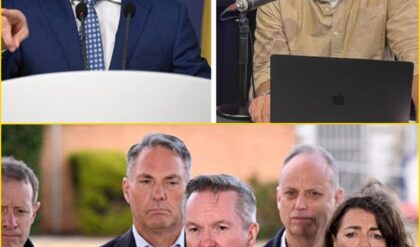
Liam Bartlett (pictured) criticised Minister Chris Bowen over his handling of the fuel crisis
Bartlett pointed out China’s dominance over the minerals vital to renewable energy technology, and argued Bowen had failed to reckon with the moral and strategic costs of relying on that supply chain.
‘In developing countries, like the Democratic Republic of Congo and Zambia, the extent of the misery created by Chinese mining companies is palpable,’ he said.
‘Health and safety regulations are non‑existent with workplace deaths a common occurrence. Child and slave labour is used with impunity and environmental safeguards are a foreign concept.’
He shared the perspective of Zambian lawyer Mehluli Batakathi, who represents farmers harmed by pollution from a Chinese‑owned copper mine.
‘We’re at the tail end of the chain because you guys in your part of the world are talking about renewable energy, green revolution and whatever,’ Batakathi said.
‘But maybe it’s clean on your side but on our side, it’s definitely not clean.’
Bartlett warned Australia’s net‑zero ambitions depend almost entirely on this questionable supply chain.
‘Without Chinese components or the minerals they’re extracting from these Dickensian hell‑holes, our net zero future is dead,’ he wrote.

Bartlett argued that Bowen’s (pictured) ‘obsession with renewables’ was harming Australia
Read More Anthony Albanese’s government about to swing the axe on the NDIS with huge changes looming
The opinion piece followed a tense public clash between Bartlett and Bowen at a Sydney press conference this month, amid rising fuel supply concerns.
The exchange, broadcast live, quickly turned heated.
‘If this war in Iran has shown us nothing else, hasn’t it proved once and for all, that your obsession with renewables will only lead us back to another energy crisis?’ Bartlett asked.
He accused Bowen of dodging an exclusive Spotlight interview.
‘What are you afraid of?’ he called out.
Bartlett repeatedly tried to interject, at one point calling the minister ‘a hypocrite’, prompting Bowen to push back.
‘You’ve come to a press conference. Congratulations,’ Bowen replied.
‘I think you need to show a bit more respect to your colleagues. This is a full room of journalists. Everyone gets one question.’

Bowen (pictured) clashed with Bartlett during a heated exchange during a press conference
Bartlett retorted that he’d been seeking answers ‘since the 24th of January’, pressing Bowen on what he called the minister’s ‘renewable obsessions’.
Bowen countered that he was holding daily press conferences and rejected claims he was avoiding scrutiny.
News
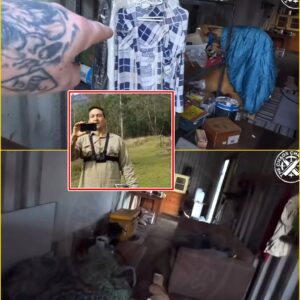
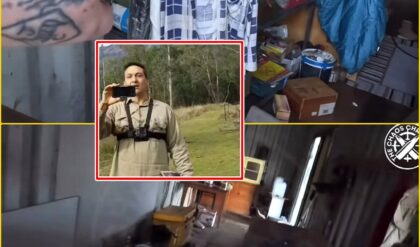
INSIDE THE SQUALID SHIPPING CONTAINER WHERE Dezi Freeman HID FROM POLICE — New Fo0tage Reveals Sh0cking Conditions
New vision has emerged from inside the shipping container where Dezi Freeman was hiding before police swooped and shot him dead. A YouTuber claims his drone crashed on the Thologolong property and he took the video when he went to retrieve…
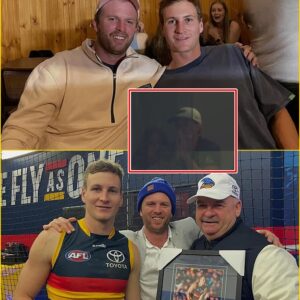
Jordan Dawson’S HEARTBREAKING FINAL PROMISE TO HIS BROTHER Jaryd Dawson REVEALED
Adelaide captain Jordan Dawson has delivered a heartbreaking promise to his late brother Jaryd Dawson, vowing to carry on his legacy within the family following his sudden death. In an emotional Instagram post shared with fans, Dawson opened up on…
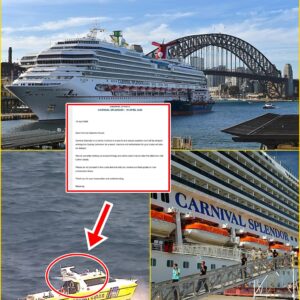
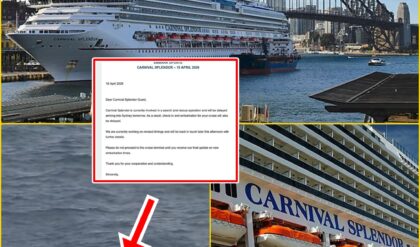
SH0CKING LETTER REVEALED After Tragic Double-De-ath Cruise — The Chi:lling Detail Ship Staff NEVER Mentioned
Guests aboard the Carnival Splendor cruise liner were sent a cold, emotionless letter in the wake of a double tragedy that unfolded at sea – with one crucial detail glaringly absent. The notice, titled ‘Important information’ and issued by staff…
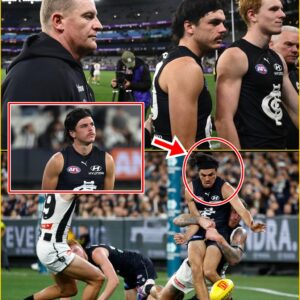
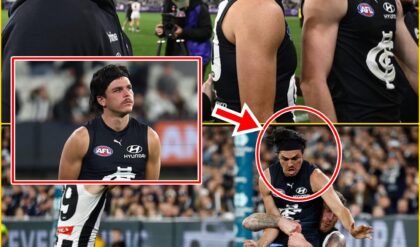
Carlton Football Club BREAKS SILENCE ON Elijah Hollands — Hospitalisation Confirmed After Sh0cking On-Field Episode
Carlton player Elijah Hollands has been admitted to hospital. The club released a short statement on Monday night confirming the news, which comes four days after his erratic performance that was described as “mental health episode” in Thursday night’s loss to Collingwood. “The…
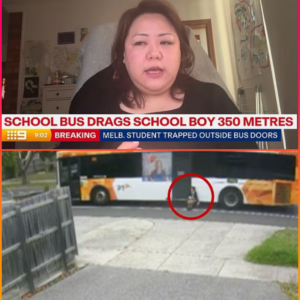
DRAMATIC UPDATE AFTER 12-YEAR-OLD BOY WAS DRAGGED 350M BY BUS — NEW DETAILS EMERGE IN SH0CKING INCIDENT
A school bus driver has been sacked after a boy became trapped in the doors of the bus and was dragged down a road in Melbourne. Nathaniel, 12, was on his way to school in the city’s south-east on March 16…

RADIO SHAKE-UP: KYLE SANDILANDS ‘READY TO COME BACK’ — BUT JACKIE ‘O’ ABSENCE RAISES BIG QUESTIONS ABOUT THEIR FUTURE
Kyle Sandilands will be back on air in just weeks, a new report claims. The shock jock is preparing to reclaim his throne at KIIS FM – but without former Kyle and Jackie O Show co-star, Jackie ‘O’ Henderson. Sandilands is reportedly…
End of content
No more pages to load