Rapper Boosie Badazz has sparked widespread controversy after publicly responding to a woman who accused him of sexually assaulting her when she was five years old. The allegations, which surfaced on social media, have not been substantiated in court, but they have ignited intense debate online and raised concerns about how such claims are handled in the public sphere.

In a series of posts, Boosie strongly denied the accusation, calling it false and defamatory. However, his response quickly drew criticism after he appeared to offer money in exchange for personal information about the accuser. According to widely circulated screenshots, the rapper offered $1,000 for photos of the woman, as well as details about her friends, family, address, school history, and even information about her children.
The move has alarmed many observers, with critics arguing that such actions could be seen as intimidation or harassment, particularly given the seriousness of the allegation. Advocacy groups and social media users alike have emphasized the importance of handling accusations of abuse with care, sensitivity, and adherence to legal processes, rather than through public callouts or personal investigations.
Legal experts note that while individuals accused of wrongdoing have the right to defend themselves, offering money for personal information about an accuser can raise ethical and potentially legal questions. Depending on how such information is used, it could cross into harassment or doxxing — the act of publicly revealing private or identifying details about someone without their consent.
At the same time, the situation highlights the challenges of navigating allegations in the age of social media, where claims can spread rapidly without verification. Public figures often face intense scrutiny, and responses made in the heat of the moment can amplify rather than resolve controversies.
Supporters of Boosie argue that he is reacting to what he believes to be a false and damaging claim, and that he has the right to defend his reputation. However, others caution that pursuing personal information about an accuser outside of legal channels risks escalating the situation and could discourage victims of abuse from coming forward.
As of now, there is no indication that the accusation has been formally filed with law enforcement, and no legal proceedings have been confirmed. Without official documentation or investigation, the claims remain unverified.
The incident underscores the broader issue of how society handles allegations of serious misconduct, particularly those involving public figures. Experts stress that such matters are best addressed through proper legal avenues, where evidence can be examined and due process followed.
In the meantime, the online reaction continues to grow, with many calling for restraint and responsibility from all parties involved. The case serves as a reminder of the power — and potential consequences — of social media in shaping narratives around highly sensitive issues.
Whether the situation will lead to further legal action remains unclear. What is certain, however, is that the controversy has once again brought attention to the complexities of balancing public accountability, personal defense, and the protection of individuals involved in serious allegations.
News
I am so proud of my body, and I want to celebrate it,’ she wrote. The remarkable photos signaled a new era for Smart, who was just 14 when she was abducted from bed in her family home in Salt Lake City, Utah, in 2002 at knifepoint before being subjected to months of
Tanned, toned and striking a confident pose, Elizabeth Smart beamed with pride in her tiny navy bikini and lucite heels. Flexing her hard-earned muscles, it was a very different version of the woman who has spent the past two decades…
Tanned, toned and striking a confident pose, Elizabeth Smart beamed with pride in her tiny navy bikini and lucite heels.
Tanned, toned and striking a confident pose, Elizabeth Smart beamed with pride in her tiny navy bikini and lucite heels. Flexing her hard-earned muscles, it was a very different version of the woman who has spent the past two decades…
Responding officers said they found a 13-year-old girl who had been stabbed at least one time. Emergency medical personnel took the girl to the hospital where she later died.
A 10-year-old boy is facing a murder charge after a 13-year-old girl was stabbed to death in February, according to the Houston Police Department. The juvenile’s name or photo have not been released to the public due to him being…
THE SCENES WERE HORRIFYING — 10-YEAR-OLD CHARGED IN S-T:ABBING D-E:A:TH OF 13-YEAR-OLD GIRL!
A 10-year-old boy is facing a murder charge after a 13-year-old girl was stabbed to death in February, according to the Houston Police Department. The juvenile’s name or photo have not been released to the public due to him being…

SHE LOVED HIM… BUT WHAT HAPPENED NEXT HAS SH0CKED EVERYONE — EMOTIONAL COURT SCENES AS SINGER SPEAKS FOR THE FIRST TIME…
Singer D4vd’s seized phone contained a ‘significant’ amount of child pornography, prosecutors alleged at a hearing on Thursday after he was charged with murder. D4vd, real name David Anthony Burke, was charged with first-degree murder on April 20 over the…
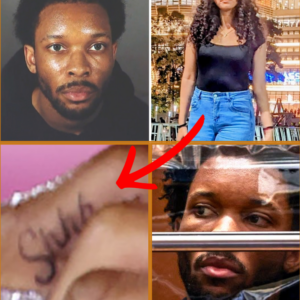
JUST IN — EXPLOSIVE CLAIMS SURFACE IN COURT AS D4VD SPEAKS FOR THE FIRST TIME…
Singer D4vd’s seized phone contained a ‘significant’ amount of child pornography, prosecutors alleged at a hearing on Thursday after he was charged with murder. D4vd, real name David Anthony Burke, was charged with first-degree murder on April 20 over the…
End of content
No more pages to load