Controversial Pediatric Cardiologist to Lead CDC Vaccine Advisory Panel as RFK Jr.’s Overhaul Deepens

Washington, D.C. – In the latest shake-up of America’s vaccine policymaking apparatus, the Department of Health and Human Services (HHS) has quietly replaced Dr. Martin Kulldorff as chairman of the Advisory Committee on Immunization Practices (ACIP) with Dr. Kirk Milhoan, a pediatric cardiologist who has repeatedly claimed that COVID-19 vaccines cause cardiovascular disease and sudden death in children and young adults.
The leadership change, confirmed in an HHS press release late Monday, comes just days before the committee is scheduled to debate the nation’s pediatric vaccination schedule and the longstanding practice of administering the hepatitis B vaccine to newborns on their first day of life.
Dr. Milhoan, 54, was appointed to the panel only in September by Health and Human Services Secretary Robert F. Kennedy Jr. A former Army lieutenant colonel and practicing pediatric cardiologist in Hawaii, Milhoan has gained prominence in vaccine-skeptical circles for testimony and social-media posts linking mRNA shots to myocarditis, blood clots, and cardiac arrest.
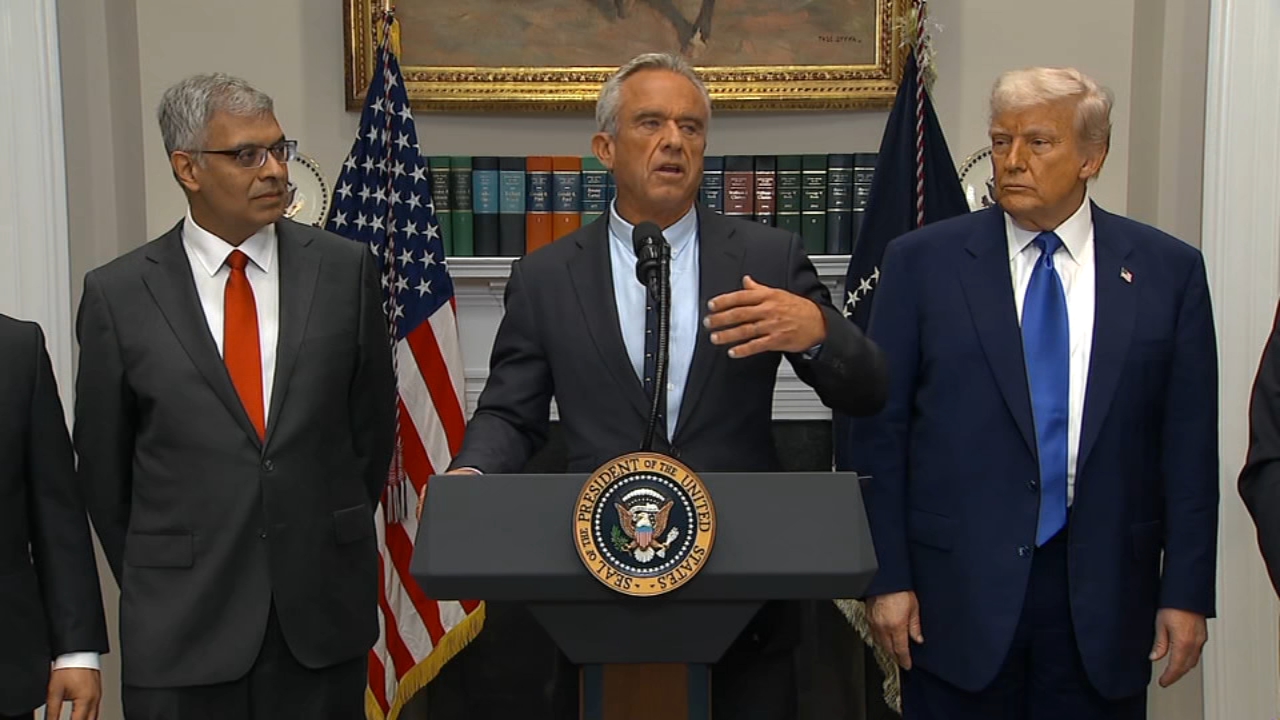
The departing chairman, Harvard epidemiologist Martin Kulldorff, was himself a polarizing figure. Appointed by Kennedy after the new administration fired all 17 previous ACIP members in February, Kulldorff had steered the committee toward decisions that stunned mainstream medical organizations:
In June, the panel voted to recommend removal of the preservative thimerosal from multi-dose flu vaccines despite acknowledging no evidence of harm at the levels used.
In September, it imposed new restrictions on the MMR-varicella (ProQuad) combination vaccine.
Most controversially, ACIP withdrew any recommendation for COVID-19 vaccination – even for the elderly and immunocompromised – declaring it a “personal choice” rather than a public-health priority.
Major medical bodies, including the American Academy of Pediatrics (AAP), the American College of Physicians, and the Infectious Diseases Society of America, condemned those moves as unsupported by decades of safety data.
HHS praised Kulldorff’s “dedicated service” in Monday’s announcement but offered no explanation for his abrupt departure. Sources inside the department say Kulldorff clashed with Kennedy and other appointees over the pace and scope of further rollbacks.
Dr. Milhoan’s elevation marks the first time a physician who has openly blamed vaccines for widespread cardiovascular harm will chair the committee that effectively sets U.S. immunization policy. ACIP recommendations are almost always adopted by the CDC director and followed by insurers, state health departments, schools, and most physicians.
This week’s meeting agenda, obtained by The Chronicle, includes:
A full review of the childhood vaccination schedule, with particular focus on the birth-dose hepatitis B vaccine administered to virtually all U.S. newborns since 1991.
Discussion of “informed consent enhancements” for all pediatric vaccines.
Possible votes to downgrade or eliminate routine recommendations for certain shots.
Medical groups are bracing for upheaval. “Replacing evidence-based recommendations with ideology endangers children,” said AAP president Dr. Moira Szilagyi in a statement Monday night. “The hepatitis B birth dose has prevented countless cases of liver cancer and cirrhosis. Removing it would be catastrophic.”

Supporters of the Kennedy overhaul argue the old ACIP was captured by pharmaceutical interests and ignored emerging safety signals. “Parents deserve transparency and choice, not mandates based on outdated science,” said Del Bigtree, founder of the Informed Consent Action Network and an informal Kennedy advisor.
Neither Dr. Milhoan nor Secretary Kennedy responded to requests for comment. Kulldorff, reached briefly by phone, said only, “I wish the committee well in its future deliberations,” before ending the call.
The changes come as childhood vaccination rates, already declining before the pandemic, have fallen further in many states. Measles outbreaks this year have reached the highest level in three decades, and health officials warn that weakening confidence in routine immunizations could usher in a new era of preventable disease.
For now, America’s doctors, parents, and public-health community await Thursday’s meeting – and whatever recommendations emerge from a panel now led by a chairman who believes the vaccines he will judge have broken countless hearts.