Dark Winds Brings Navajo Storytelling to the Forefront With Authentic Mystery and Powerful Representation
Hollywood has long used Native Americans as backdrops for Westerns, often turning rich cultures into caricatures or ignoring them altogether. But AMC’s Dark Winds, a gripping mystery series based on Tony Hillerman’s novels, is rewriting that narrative. With Robert Redford and Game of Thrones author George R.R. Martin as executive producers, the show arrives with Hollywood star power — but its true strength lies in its Native American creators, cast, and consultants, who ensure that the series finally reflects Indigenous life from the inside out.
A Native Vision at the Core
For director Chris Eyre, a pioneer in Native American filmmaking, Dark Winds represents something that Hollywood has too often denied: the chance for Native storytellers to tell their own stories. Eyre describes the project as “an inside job” — a series rooted not in stereotypes but in lived experience.
“Too often, Native culture has been reduced to background noise in American entertainment,” Eyre explained. “With Dark Winds, we wanted to show a community that’s vibrant, layered, and real. This is a Native American, Southwestern film noir.”
The series blends the grit of noir with the spirituality and traditions of Navajo life, giving the show a texture and identity all its own.
From Page to Screen
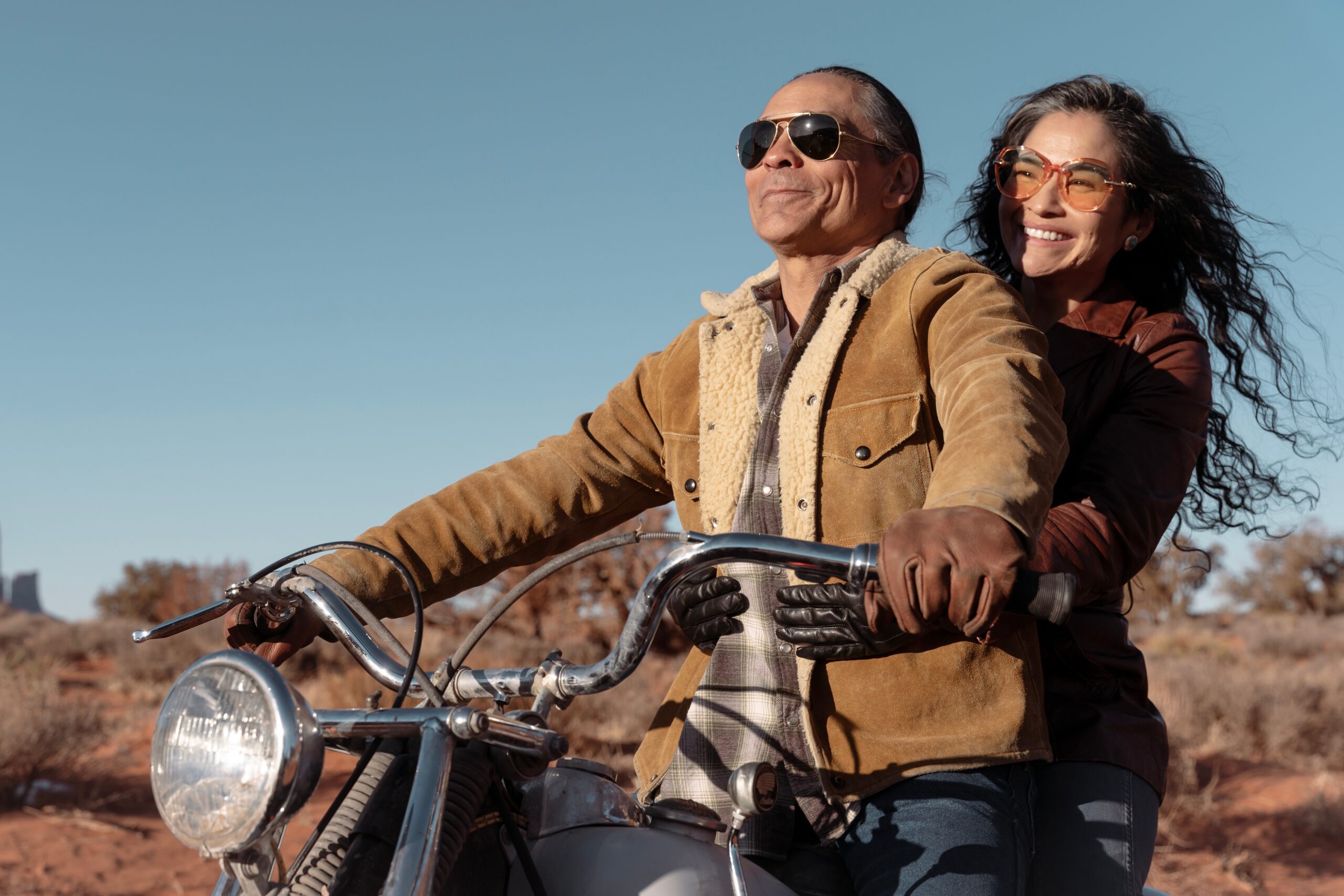
Based on Hillerman’s beloved novels, Dark Winds follows Lieutenant Joe Leaphorn and his deputy Jim Chee of the Navajo Tribal Police. Played by Zahn McClarnon (Westworld, Reservation Dogs) and Kiowa Gordon (The Red Road), the duo investigate a double murder possibly tied to a daring armored-car heist.
While the crime investigation serves as the hook, the series goes beyond conventional mystery storytelling. Like Hillerman’s books, it uses suspense as an entry point into a world shaped by history, family, and cultural identity. Viewers are drawn not just into the whodunit, but into questions of what justice means within the unique circumstances of life on the reservation.
Characters With Depth
What sets Dark Winds apart from other crime thrillers is its attention to nuanced characters and relationships. Joe Leaphorn is a lawman grappling with grief and loyalty, torn between duty to his badge and devotion to his community. Jim Chee, meanwhile, is a younger officer navigating his own identity, straddling modern ambitions and Navajo traditions.
Their dynamic — one shaped by mentorship, suspicion, and mutual respect — anchors the series. Around them are characters who feel fully fleshed out, not simply narrative devices. Wives, mothers, elders, and community members contribute to a textured story that reflects the interwoven lives of reservation life.
Authentic Storytelling

The series’ commitment to authenticity is evident in every detail. Native languages are spoken naturally, traditional rituals are depicted with care, and the landscapes of the Southwest are shot with reverence rather than exploitation.
For years, Indigenous actors often played supporting roles in films that reduced them to tropes — the stoic warrior, the wise elder, the tragic victim. Here, they are front and center, carrying the narrative with complexity and strength.
Zahn McClarnon’s performance as Leaphorn has drawn particular praise. Critics note how his quiet intensity conveys volumes, making him one of the most compelling leads in television today. Gordon’s Chee, meanwhile, brings youthful energy and vulnerability, embodying a generational bridge that resonates deeply.
Tackling Inequality and Trauma
Beyond its gripping plot, Dark Winds doesn’t shy away from hard truths. It addresses systemic inequality, generational trauma, and the ways in which federal institutions have historically failed Native communities. Yet it balances that with depictions of resilience, humor, and cultural pride.
This duality — pain and perseverance — is what makes the show resonate. It’s not tragedy porn, nor is it glossy escapism. It’s a textured portrayal of life, offering audiences both suspenseful storytelling and cultural education.
Redford and Martin’s Role
While Hollywood veterans Robert Redford and George R.R. Martin bring credibility and resources to the project, they’ve also taken a deliberate step back to allow Native voices to lead. Redford has long been a champion of Hillerman’s work, and Martin has publicly said he signed on to ensure the series had the visibility and scale it deserved.
But the real stars, both on screen and behind the scenes, are the Indigenous artists shaping the series. Their voices ensure that this isn’t just another mystery drama, but a cultural milestone.
Reception and Impact

Since its debut, Dark Winds has been hailed as one of AMC’s strongest dramas in years. Viewers praise its atmospheric blend of noir grit and Navajo soul, while critics highlight its groundbreaking representation.
“This is what happens when Native people tell Native stories,” wrote one reviewer. “It’s not just accurate, it’s alive.”
Social media buzz has further amplified its success, with fans calling it “the crime drama you didn’t see coming” and praising its immersive storytelling.
Final Word
In an era saturated with crime thrillers, Dark Winds distinguishes itself not just through plot twists and suspense, but through authenticity and cultural integrity. It proves that Indigenous storytelling is not only valuable but vital to the future of television.
For decades, Hollywood spoke about Native communities. With Dark Winds, Native voices finally speak for themselves — and audiences are listening.
This isn’t just entertainment. It’s representation, reclamation, and revelation — a mystery drama with a soul as deep as the desert it depicts.