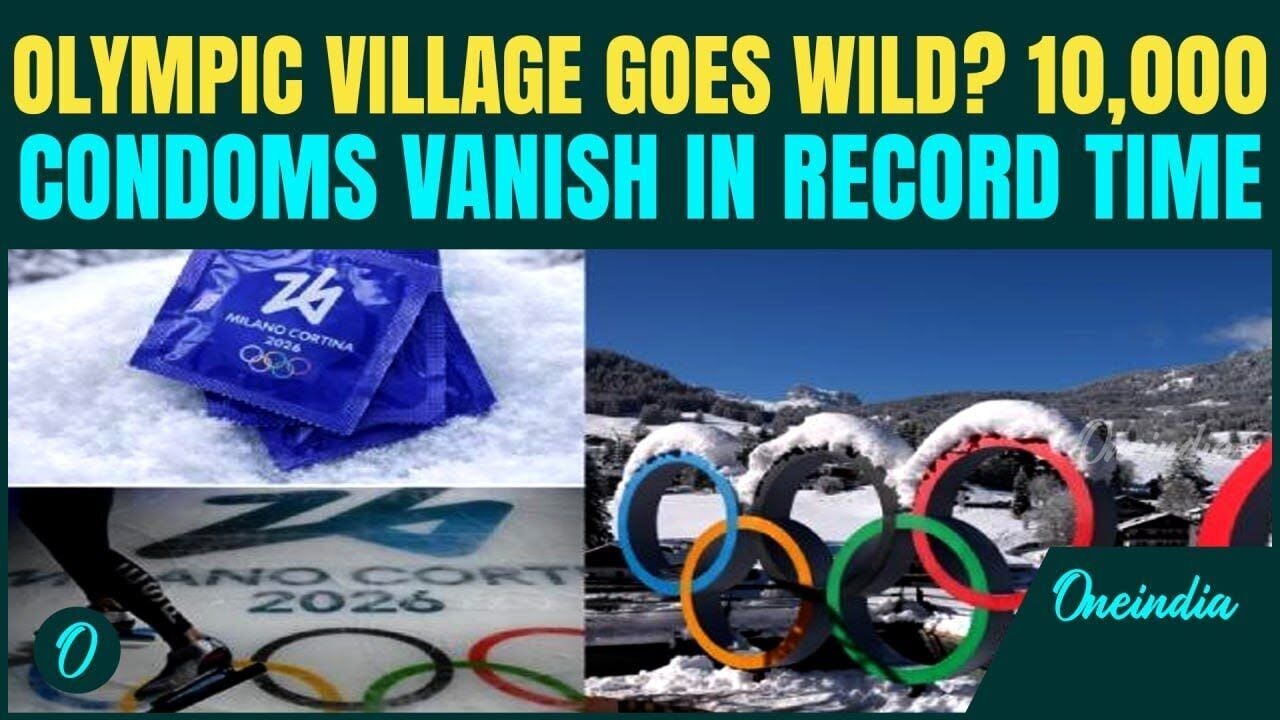
In an unexpected twist amid the high-stakes action of the Milano Cortina 2026 Winter Olympics, the Olympic Village faced a surprising shortage of free condoms just three days into the Games, as first reported by Italian newspaper La Stampa. The depletion occurred right around International Condom Day on February 13, highlighting a mismatch between supply and the “higher-than-anticipated demand” cited by organizers.
Free condom distribution has been a staple at the Olympics since the 1988 Seoul Games, introduced to promote awareness of sexually transmitted infections (STIs), particularly during the height of the AIDS epidemic. The initiative encourages safe practices among young, elite athletes living in close quarters during the intense competition period. Over the years, quantities have varied: the 2016 Rio Summer Olympics distributed a massive 450,000 condoms, while the 2024 Paris Summer Games provided 300,000—often equated to about two per athlete per day for the duration of the event.
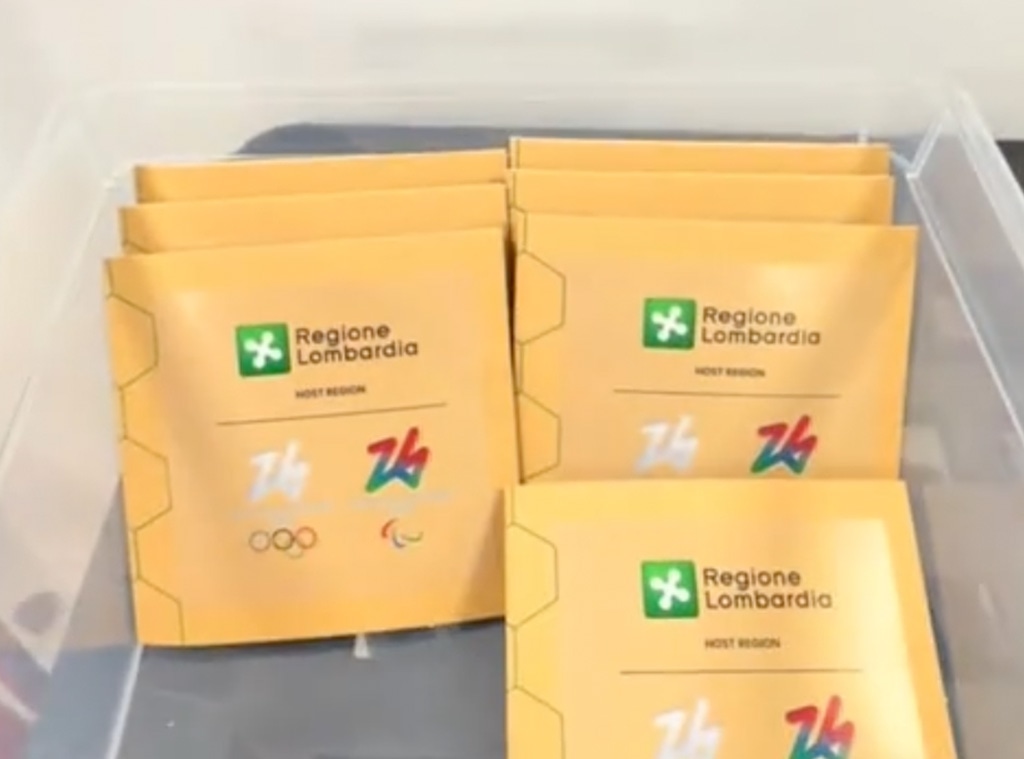
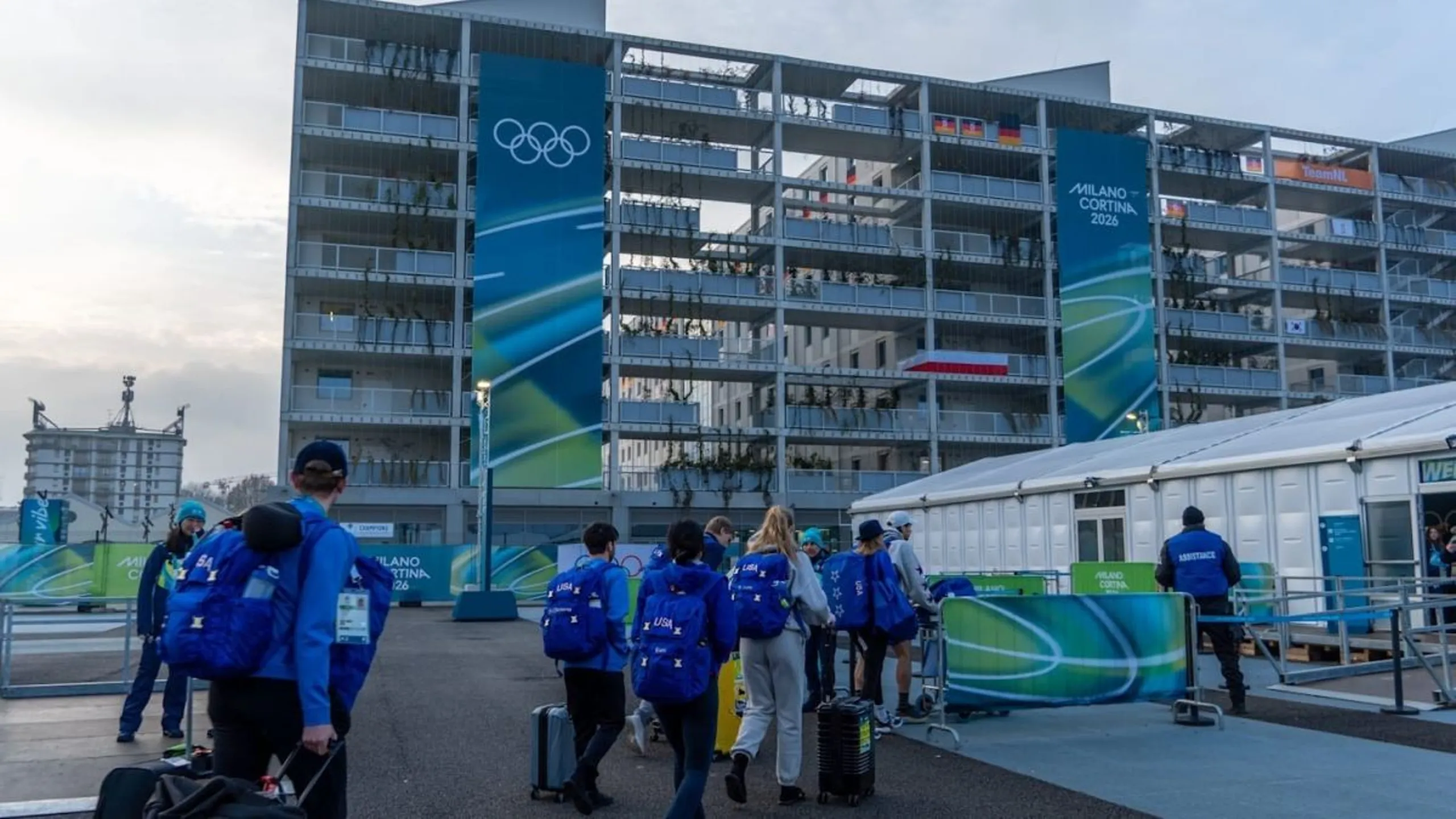
For the Milano Cortina 2026 Winter Games, however, only around 10,000 condoms were initially allocated across the athlete villages, primarily in Cortina d’Ampezzo, with additional sites in Milan, Bormio, and Livigno. With approximately 2,871 athletes competing—far fewer than the 10,000+ at Summer Olympics—the supply was expected to suffice. Yet, an anonymous athlete told La Stampa: “The supplies ran out in just three days. They promised us more will arrive, but who knows when.”
Organizers from the Milano Cortina 2026 committee quickly addressed the issue. In a statement, they confirmed the temporary depletion was due to unexpectedly high demand and assured replenishment: “Additional supplies are being delivered and will be distributed across all villages between today and Monday. They will be continuously replenished until the end of the Games to ensure continued availability.” By Valentine’s Day weekend (February 14-15), fresh stocks were en route, preventing any prolonged shortage through the Games’ close on February 22.
The rapid exhaustion has sparked lighthearted commentary and speculation online, with some joking about athletes “embracing Valentine’s week with trademark Olympic intensity” or collecting the branded packets as souvenirs rather than using them. Others noted the contrast with Summer Games, where larger athlete numbers and longer durations justify bigger allocations. The Winter format’s dispersed villages—Milan is four hours from Cortina—may have concentrated demand in certain spots, exacerbating the issue.
This incident underscores the need for better forecasting in Olympic planning, even for non-sport elements. While the focus remains on athletic achievements, the condom saga serves as a reminder of the human side of the Games: athletes under pressure, seeking connection, and the organizers’ role in supporting safe, responsible behavior.
tucson.com

nydailynews.com
eonline.com
abc.net.au

archdaily.com
insidethegames.biz
The episode, while embarrassing for planners, has not overshadowed the sporting drama but added a quirky footnote to what promises to be a memorable Winter Olympics in Italy. As athletes continue chasing medals, the villages now promise no further “shortfalls” in this particular area.