From Cult Crime to Streaming Gold: Peter Thorwarth Returns with a Savage WWII Western for Netflix
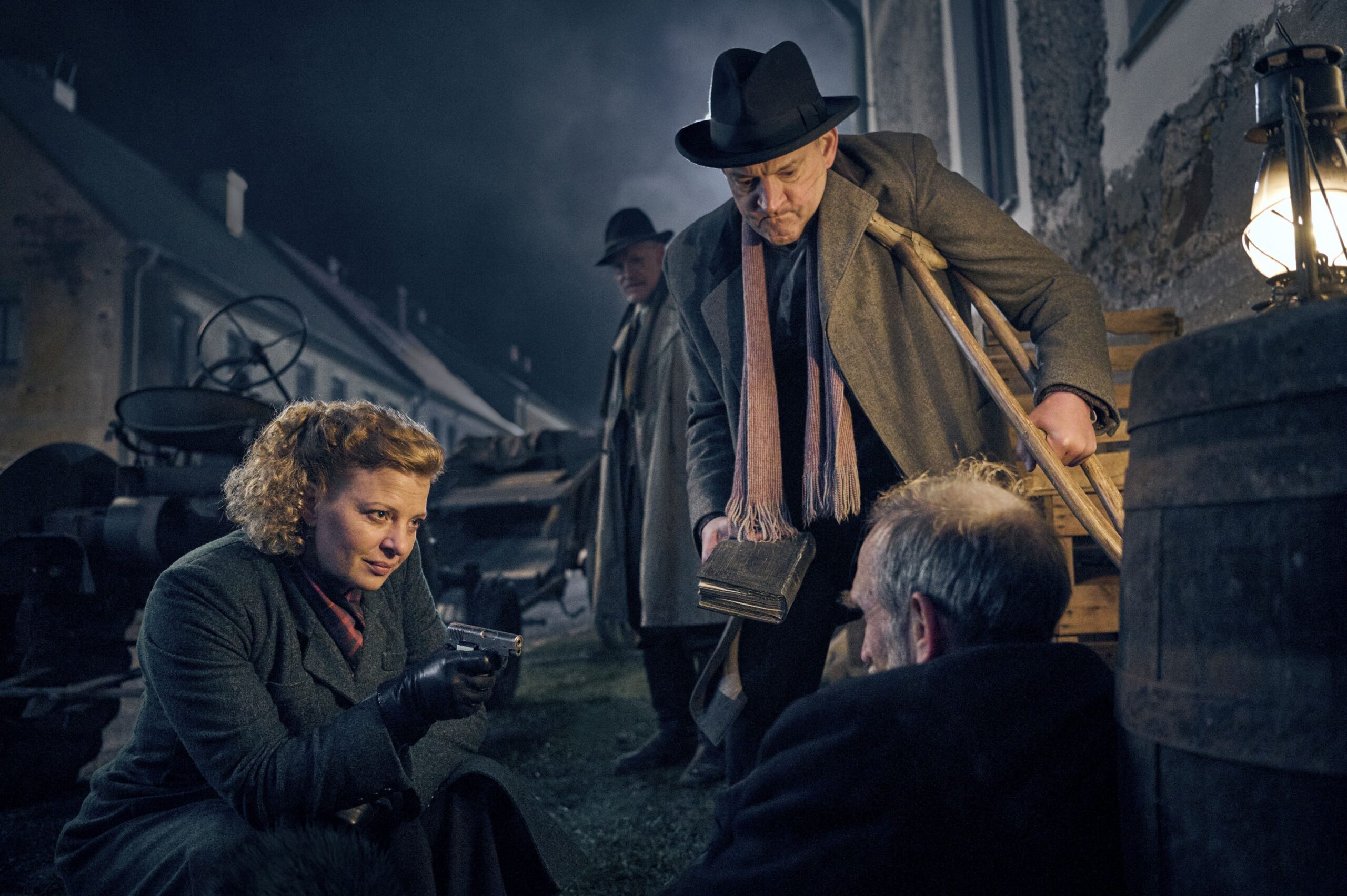
When German filmmaker Peter Thorwarth first teamed up with Netflix in 2021, few could have predicted the scale of success that would follow. His airborne vampire thriller Blood Red Sky exploded into a global sensation, racking up more than 110 million viewing hours in its first 30 days — a milestone no other Netflix film has managed to surpass before or since. Now, Thorwarth returns with a bold new entry that swaps vampires for Nazis, aerial terror for dusty battlefields, and horror for a ferocious blend of war film, Western, and satire.
The result is a brutal, darkly comic World War II thriller that feels both deeply German in its historical reckoning and unmistakably international in its cinematic ambition.
A Long Road to the Screen
Remarkably, the script for this film spent 16 years in development limbo. Written by Stefan Barth, it was repeatedly passed over by producers before Thorwarth’s industry connections finally gave it the momentum needed to reach the screen. Its eventual home at Netflix would prove crucial. The film’s combination of graphic violence, political satire, and genre-bending style may have struggled to survive within the traditional constraints of German television or theatrical production.
Instead, backed by streaming-scale resources and global reach, the project emerges as one of the boldest German genre films in recent years — a savage Nazi-hunting spectacle that refuses to pull its punches.
Desertion, Gold, and Fanaticism
Set in the spring of 1945, just months before the end of World War II, the story follows Wehrmacht soldier Heinrich, portrayed with weary intensity by Robert Maaser. With the war effectively lost and his wife already dead, Heinrich deserts the army with a single goal: to return home to his young daughter in the city of Hagen.
His journey is violently derailed near a remote village called Sonnenberg, where he falls into the hands of a ruthless group of Nazis hunting for a hidden stash of stolen gold. Leading them is the fanatical and unpredictable Von Starnfeld, played with chilling theatricality by Alexander Scheer. For Von Starnfeld and his men, ideology has already curdled into madness. As Germany collapses around them, they cling to violence, greed, and fanaticism with terrifying devotion.
What unfolds is a grim treasure hunt where bodies pile up faster than morals collapse.
A Nazi Film That Refuses to Glorify
German cinema has long struggled with how to portray the Third Reich without sanitizing or sensationalizing it. Thorwarth chooses neither restraint nor reverence. Instead, he opts for savage ridicule. His Nazis are not fearsome strategists but grotesque killers driven by delusion, greed, and desperation. Their cruelty is graphic, their authority hollow, and their downfall inevitable.
This unflinching approach makes the film as much a political statement as an action spectacle. It strips Nazi ideology of any remaining mythic power and exposes it as a virus that devours even its most loyal followers.
Where War Film Meets Western
Stylistically, the film is a collision of traditions. The World War II setting provides the moral gravity: ruined villages, shattered families, and a nation on the brink of total collapse. At the same time, Thorwarth borrows freely from the language of the Western — lone riders, dust-choked standoffs, and ruthless gold hunts driven by desperation.
Layered on top is a vein of pitch-black satire. The tonal shifts between brutality and absurdity are deliberate, echoing the influence of cinematic outsiders who reworked genre traditions into something provocative and politically charged.
Yet the film remains grounded by its emotional core: a father willing to walk through hell for the chance to hold his child again.
Performances That Carry the Weight
Robert Maaser anchors the film with a restrained, physical performance that avoids heroics. His Heinrich is no fearless outlaw, but a broken survivor moving forward on exhaustion and instinct. Alexander Scheer, by contrast, delivers a towering villain performance that borders on operatic madness. His Von Starnfeld is terrifying not because he is invincible, but because he is unhinged.
The supporting cast fills out a grim gallery of opportunists, sadists, and survivors — all trapped in a collapsing world where the rules of civilization have crumbled.
Another Streaming Gamble That Pays Off
If Blood Red Sky proved Thorwarth could deliver a global streaming hit, this film confirms he is not interested in repeating himself. Where his first Netflix success was a claustrophobic airborne horror story, his follow-up sprawls across muddy countryside, ruined towns, and lawless frontier landscapes.
It is violent, profane, politically sharp, and unapologetically entertaining — the kind of film that traditional broadcasters rarely risk but streaming platforms increasingly champion.
Nearly two decades after its script was first written, the project finally reaches audiences worldwide with a force that feels both long overdue and perfectly timed.
Thorwarth’s message is unmistakable: the horrors of history should not be softened, the villains should not be romanticized, and cinema remains one of the sharpest tools for exposing both.