Monster of Florence: Netflix Series Reignites Mystery as Viewers Question the True Killer Behind Italy’s Most Chilling Crimes
The haunting conclusion of Netflix’s gripping Italian true-crime drama The Monster of Florence has left viewers around the world unsettled, confused, and questioning what truly happened in one of Europe’s most terrifying unsolved murder cases. Based on real events, the series revisits the brutal killings of young couples near Florence between the late 1960s and mid-1980s—crimes that terrorized Italy for nearly two decades and still remain officially unresolved.
From 1968 to 1985, at least 16 people were murdered in secluded lovers’ lanes on the outskirts of Florence. The unknown assailant, later dubbed “Il Mostro” (The Monster), followed a chillingly consistent pattern—using the same gun, the same knife, and carrying out gruesome mutilations on the female victims after the murders. Despite countless investigations, arrests, and trials, no single individual was ever definitively proven to be the killer.
The Netflix series, praised for its disturbing realism and investigative depth, walks viewers through the key phases of the case, introducing multiple suspects, conflicting confessions, and deeply flawed police procedures. Yet in its most controversial choice, the show ends without identifying a confirmed killer—mirroring the unresolved nature of the real investigation.
Mario Spezi and the Journalist Who Named a Monster
Central to both the real-life case and the Netflix series is Mario Spezi, the veteran Italian journalist who coined the nickname “The Monster of Florence.” Spezi worked for the respected Italian newspaper La Nazione and spent decades investigating the murders, often criticizing prosecutors and police over their handling of evidence.
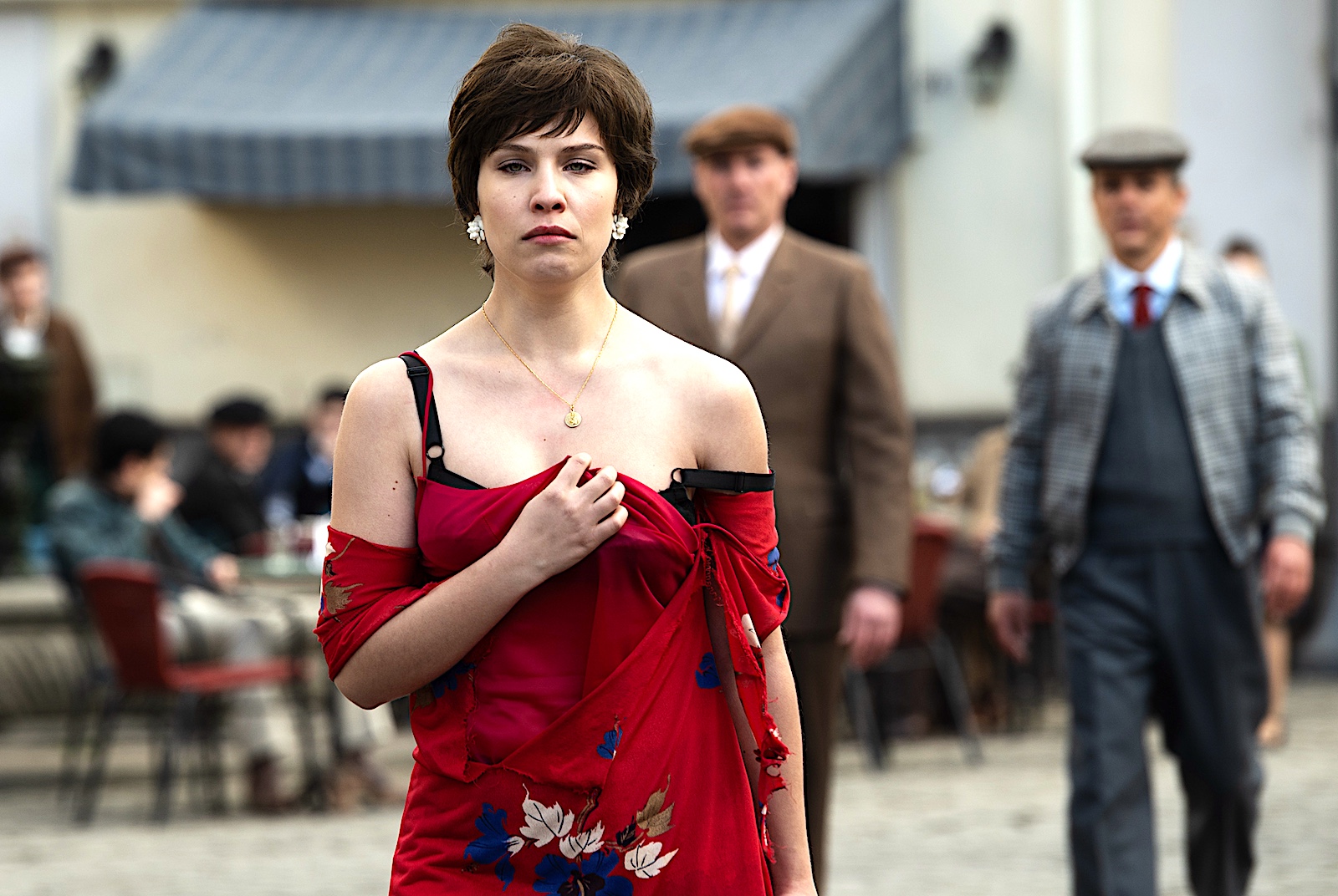
In a shocking twist that the series recreates, Spezi himself became a target of the investigation. In 2006, he was arrested by prosecutor Giuliano Mignini on allegations of obstructing the inquiry. Authorities accused the journalist of manipulating evidence and misleading the investigation—claims that stunned Italy’s media and sparked international outrage.
However, Spezi’s arrest would later be overturned. A higher court ruled his detention illegal and unfounded, fully exonerating him and confirming that no credible evidence linked him to any wrongdoing. The episode remains one of the most controversial chapters in the history of the case.
Who Killed Barbara? A Confession That Unraveled
One of the most disturbing cases explored in the series is the murder of Barbara, which occurred in 1968—often considered the first official killing attributed to the Monster. Barbara and her lover, Antonio, were found dead inside a parked car in a secluded area near Florence.
Barbara’s husband, Stefano Mele, initially confessed to killing the couple in a crime of passion. However, police later questioned the authenticity of his confession, suspecting it may have been coerced. As the investigation progressed, detectives began to believe Mele may have been protecting someone else—possibly linked to a much wider criminal network.
The series presents multiple conflicting versions of what happened that night, leaving viewers uncertain whether Mele was a jealous husband acting alone or a pawn in a far more complex crime.
Many Suspects, No Final Answer
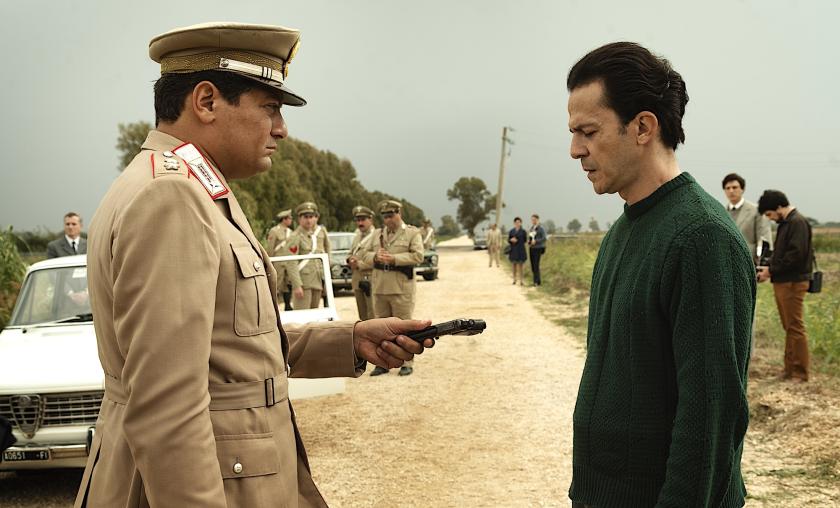
Over the years, dozens of individuals were investigated, including farmers, hunters, neighbors, and even alleged members of secret underground groups. Several men known as the “Sardinian suspects” were jailed and later released. Others were charged, convicted, and then acquitted. Each new theory promised closure—only to collapse under weak evidence and legal challenges.
The Netflix series faithfully reflects this chaos, presenting competing narratives without endorsing a single definitive conclusion. This choice has deeply divided audiences. Some praise the realism, while others express frustration at the lack of a clear resolution.
A Nation Still Haunted
In Italy, the case of the Monster of Florence remains one of the country’s most traumatic criminal mysteries. Entire generations grew up under the shadow of fear, with couples afraid to park in remote locations and police patrols intensifying across Tuscany.
Even today, survivors, investigators, journalists, and relatives of victims continue to argue over what truly happened—and whether justice was ever served.
Why the Ending Still Hurts
By ending without naming a confirmed killer, the series forces viewers to confront the same uncomfortable truth Italy has lived with for decades: some crimes never receive true closure. The final episodes leave audiences questioning not only the identity of the murderer but also the integrity of institutions meant to protect the public.
For many viewers, the real horror of The Monster of Florence is not just the violence—but the possibility that the truth may forever remain buried under layers of mistakes, power struggles, and unanswered questions.