🔥🕵️♀️ KILLING SHERLOCK: THE SHOCKING TRUTH BEHIND CONAN DOYLE’S LOVE-HATE WAR WITH HIS MOST FAMOUS CREATION 📺📚
Lucy Worsley is back on BBC Two — and this time, she’s tackling one of literature’s most unsettling mysteries: why did Arthur Conan Doyle, the creator of Sherlock Holmes, grow to resent the very character who made him immortal? In Killing Sherlock: Lucy Worsley on the Case of Conan Doyle, airing from Monday 5 January, the historian and lifelong Holmes fan delivers a gripping, emotional, and often explosive investigation into a rivalry that played out inside a single mind.

At the heart of the series lies a contradiction that has puzzled fans for generations. Sherlock Holmes is arguably the most famous fictional detective in history — adored across continents, adapted endlessly, and revered as a cultural icon. And yet, his creator tried to kill him off. Not once, but deliberately, brutally, and with unmistakable intent. Why?
💣 “ONE HUGE MYSTERY STILL REMAINS,” WORSLEY DECLARES. “WHY DIDN’T SHERLOCK HOLMES’ CREATOR LOVE HIM AS MUCH AS THE REST OF US DO?”
To answer that question, Lucy begins where Conan Doyle’s story truly starts: a troubled childhood in Victorian Edinburgh. Born the eldest of nine children, Arthur Conan Doyle grew up in a household shaped by instability and shame. His father, Charles Doyle, battled severe alcoholism and spent long periods in a mental hospital, leaving Arthur’s fiercely determined mother, Mary, to raise the family alone. It was a childhood marked by storytelling, imagination, and pressure — but also by fear of failure and a desperate need for respectability.
Lucy argues this upbringing left deep scars. Conan Doyle was ambitious, intellectually restless, and eager to be taken seriously. He didn’t want to be remembered as a popular entertainer — he wanted to be seen as a great writer, a man of ideas, historical novels, and moral purpose. Sherlock Holmes, for all his brilliance, threatened that dream.
🔍 THE DETECTIVE CAME TO LIFE — AND THEN TOOK OVER
The series explores how Holmes emerged almost accidentally, inspired by Conan Doyle’s medical mentor Dr Joseph Bell, whose razor-sharp powers of deduction left a lasting impression. The stories were a sensation. Readers clamoured for more. Publishers paid handsomely. Fame followed.
But with success came resentment.
Holmes overshadowed everything else Conan Doyle wrote. His historical epics, spiritual writings, and serious novels were largely ignored. As Lucy reveals through letters, diaries, and interviews with experts, Conan Doyle began to feel trapped by his own creation — a prisoner of popularity.

💥 “HE WAS ASHAMED OF SHERLOCK HOLMES,” LUCY SAYS. “ASHAMED TO HAVE CREATED THIS FANTASTIC CHARACTER WHO HAS GIVEN SO MUCH PLEASURE TO SO MANY PEOPLE.”
That shame led to one of the most shocking decisions in literary history: Holmes’ death at the Reichenbach Falls. Conan Doyle believed killing the detective would free him creatively. Instead, it triggered public outrage. Fans wore black armbands. Magazines were cancelled. The backlash was so fierce it bordered on hysteria.
And yet, the killing wasn’t the end.
⚖️ FROM FICTIONAL DETECTIVE TO REAL-LIFE INVESTIGATOR
One of the most compelling sections of Killing Sherlock examines Conan Doyle’s life after Holmes — and reveals an irony that borders on cruel. While he tried to distance himself from his fictional detective, Conan Doyle increasingly behaved like Sherlock Holmes himself.
Lucy investigates how the author became obsessed with real-life miscarriages of justice, applying deductive reasoning to solve actual crimes. He campaigned tirelessly for wrongfully convicted men, exposing flawed evidence and corrupt investigations. In doing so, he lived out Holmes’ principles — logic, truth, and justice — even as he claimed to despise the character.
This contradiction raises an uncomfortable question: did Conan Doyle ever truly escape Sherlock Holmes, or did Holmes become a part of him?
🧠 WHY SHERLOCK HAD TO RETURN
Eventually, financial pressure, public demand, and perhaps reluctant affection forced Conan Doyle to resurrect the detective he had tried to destroy. Lucy suggests the revival was more than commercial — it was an admission of defeat, and possibly reconciliation.
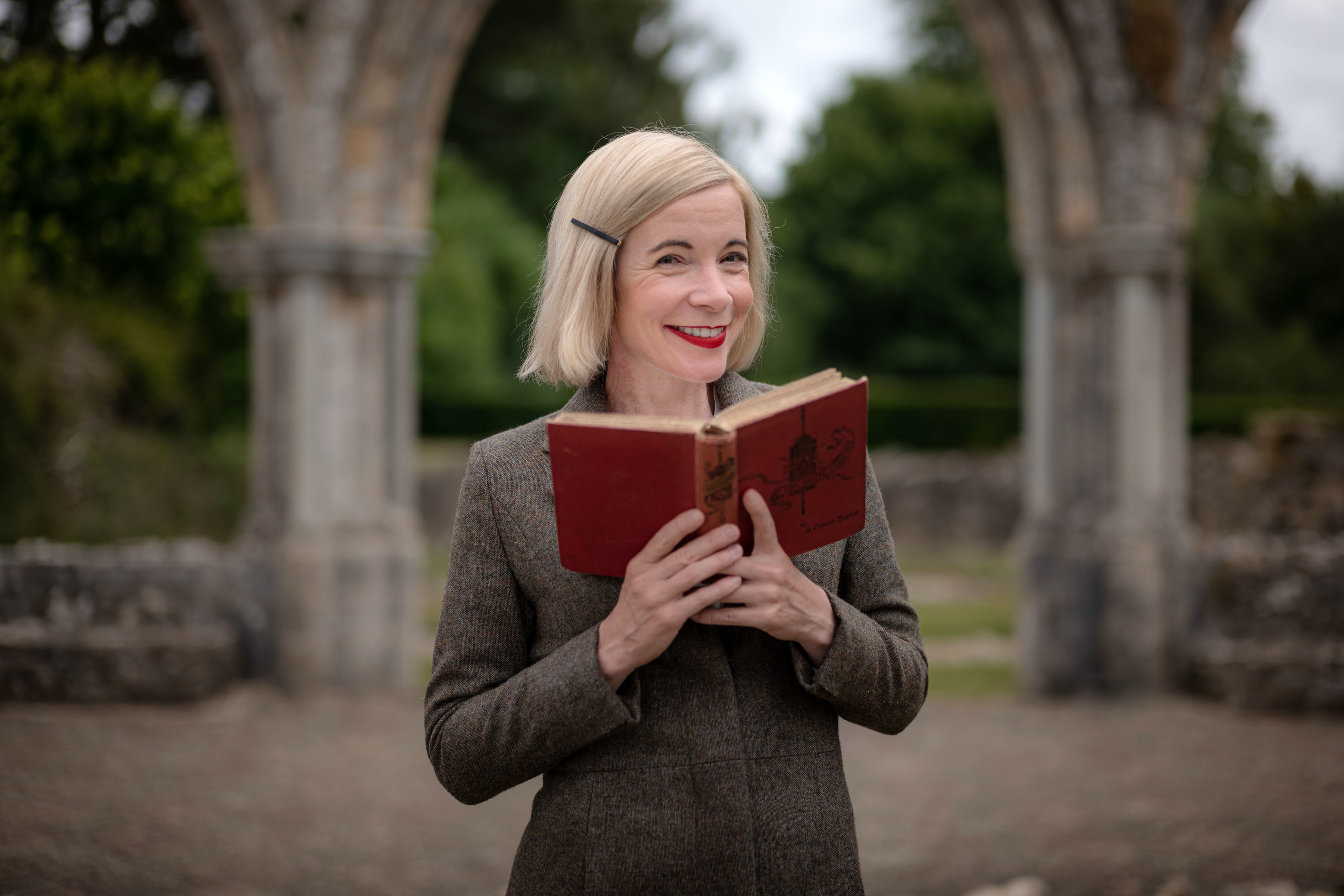
Meeting descendants, fans, and literary historians, Lucy pieces together a portrait of a man at war with his own legacy. Holmes represented everything Conan Doyle feared: being misunderstood, underestimated, and defined by a single achievement. Yet Holmes also ensured his immortality.
🔥 “THIS IS A STORY ABOUT CREATION TURNING AGAINST ITS CREATOR,” LUCY SAYS. “AND WHAT HAPPENS WHEN THE WORLD LOVES SOMETHING YOU CAN’T.”
Killing Sherlock: Lucy Worsley on the Case of Conan Doyle is more than a literary biography. It’s a psychological thriller, a cultural reckoning, and a deeply human exploration of ambition, shame, and unintended greatness.

Because in the end, Lucy argues, the greatest mystery Sherlock Holmes ever faced wasn’t on the page — it was the man who created him.