Three decades after its release, Joel Schumacher’s A Time to Kill (1996) continues to resonate as one of Hollywood’s most provocative courtroom dramas, adapted from John Grisham’s debut novel and tackling explosive themes of race, justice, and vigilante retribution in the American South.
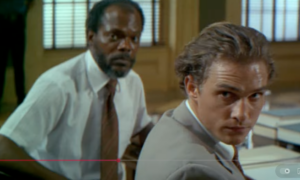
Set in the fictional town of Clanton, Mississippi, the film follows young attorney Jake Brigance (Matthew McConaughey in his breakout role) as he defends Carl Lee Hailey (Samuel L. Jackson), a Black father who guns down two white men who brutally raped and attempted to murder his 10-year-old daughter Tonya. Facing an all-white jury in a deeply segregated community, Jake must navigate prejudice, threats from the Ku Klux Klan, and his own moral doubts to argue that Carl Lee’s act was justifiable homicide.

McConaughey delivers a star-making performance, his closing argument — “Now imagine she’s white” — becoming one of cinema’s most iconic monologues. Jackson is equally riveting as the tormented Hailey, while Sandra Bullock shines as idealistic law student Ellen Roark, Kevin Spacey as ruthless prosecutor Rufus Buckley, and Kiefer Sutherland as Klan leader Freddie Lee Cobb. The ensemble, including Oliver Platt, Ashley Judd, and Donald Sutherland, adds depth to a story pulsing with tension.
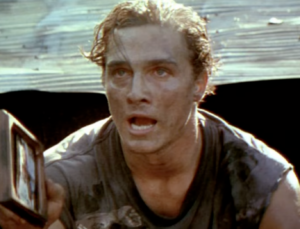
Schumacher’s direction balances taut legal proceedings with visceral violence, never shying from the racial divides that fuel the conflict. The film’s Mississippi locations and Elliot Goldenthal’s haunting score amplify the sweltering atmosphere of injustice.

Upon release, A Time to Kill grossed over $152 million worldwide and earned praise for its bold handling of sensitive issues, though some critics argued it oversimplified complex racial dynamics. Grisham himself called it “the best adaptation of my work,” appreciating the cast’s commitment.
In today’s climate, the film feels prescient — sparking renewed discussion on vigilante justice, systemic bias, and the limits of the legal system. McConaughey’s impassioned plea remains a cultural touchstone, often quoted in debates on race and equity.
A Time to Kill is more than a thriller; it’s a moral crucible that forces audiences to confront uncomfortable truths. Joel Schumacher crafted a powerful, unflinching drama that, 30 years on, still demands we ask: What is justice when the law fails the vulnerable?
Now streaming on multiple platforms, this 1996 classic proves its themes — and performances — are timeless.