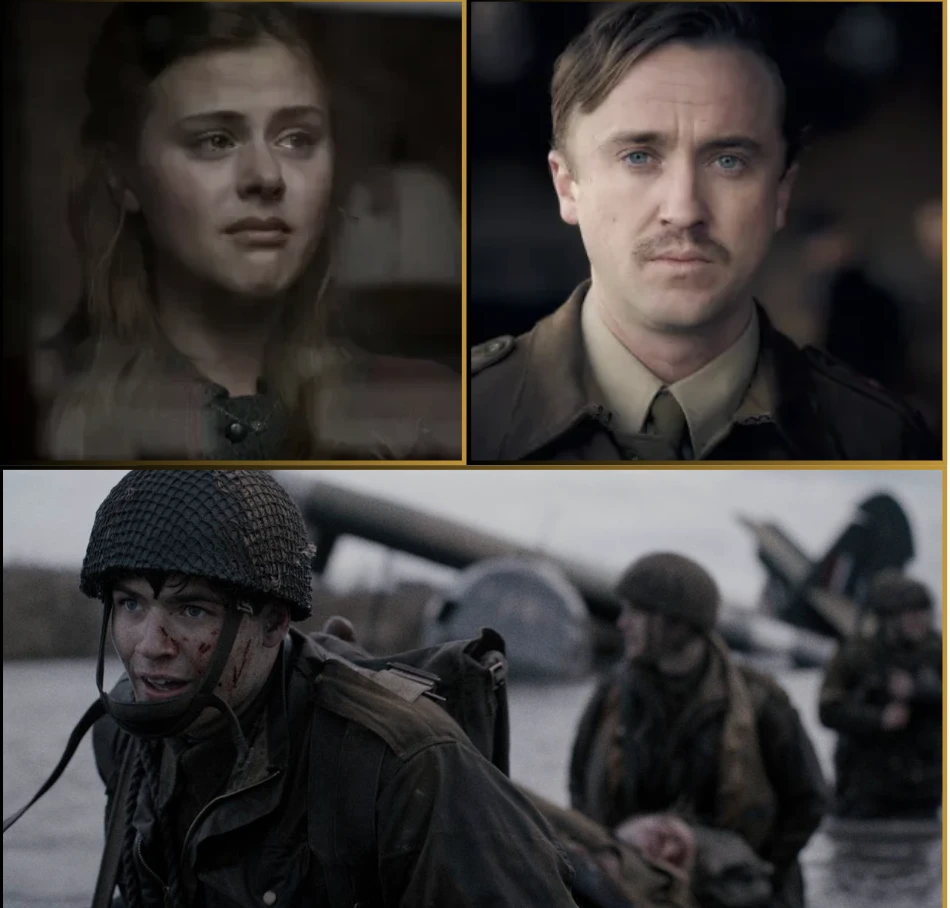
THIS GRITTY MILITARY DRAMA HAS BEEN CALLED THE BEST WAR SERIES EVER MADE—AND MANY FANS RANK IT ALONGSIDE BAND OF BROTHERS!
Few war dramas have earned the level of respect and critical acclaim achieved by Generation Kill. First released in 2008 as a seven-part HBO miniseries, the production remains one of the most realistic and uncompromising portrayals of modern warfare ever brought to television.
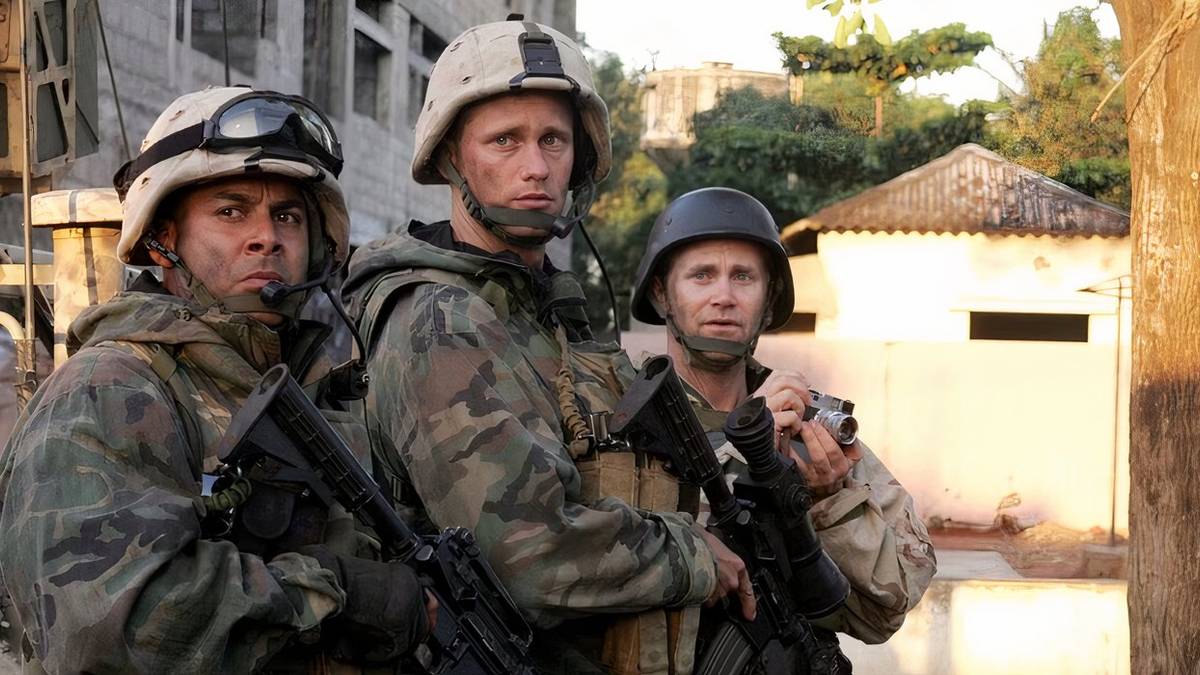
Created by David Simon and Ed Burns, the team behind The Wire, the series is based on journalist Evan Wright’s bestselling nonfiction book of the same name. Rather than presenting war through the lens of heroic speeches and cinematic spectacle, Generation Kill offers a raw, unfiltered look at the realities faced by U.S. Marines during the opening weeks of the Iraq War in 2003.
The story follows the elite 1st Reconnaissance Battalion of the United States Marine Corps as they participate in the initial invasion of Iraq.
Embedded with the Marines is Rolling Stone reporter Evan Wright, whose firsthand experiences provided the foundation for the series. Through his observations, viewers are given an unusually intimate perspective on military life, witnessing both the dangers of combat and the everyday interactions between soldiers.
At the center of the drama is Sergeant Brad “Iceman” Colbert, portrayed brilliantly by Alexander Skarsgård.
Colbert is calm, highly skilled, and deeply respected by his fellow Marines. Unlike many fictional military leaders, he is neither reckless nor overly dramatic. Instead, he approaches his responsibilities with professionalism and intelligence, often finding himself caught between questionable orders from superiors and the need to protect the men under his command.
Skarsgård delivers one of the strongest performances of his career, creating a character who feels authentic rather than heroic in the traditional Hollywood sense.
The supporting cast is equally impressive.
James Ransone plays the sarcastic and often frustrated Corporal Josh Ray Person, while Lee Tergesen portrays journalist Evan Wright. Stark Sands, Jon Huertas, Billy Lush, and several actors with military backgrounds help create an ensemble that feels remarkably believable.
One reason Generation Kill stands apart from other war dramas is its commitment to realism.
The series avoids many familiar military clichés. There are no overly patriotic speeches, no simplistic good-versus-evil narratives, and few attempts to romanticize combat. Instead, viewers experience war as the Marines themselves do: confusing, exhausting, dangerous, and often frustrating.
Much of the tension comes not from large-scale battles but from uncertainty.
The Marines frequently struggle with unclear objectives, communication failures, shifting orders, and the challenge of operating in unfamiliar territory. The series highlights how modern warfare often involves long periods of waiting, navigating, and adapting rather than constant combat.
Another major strength of the miniseries is its dialogue.
The conversations between the Marines feel natural and authentic, filled with dark humor, sarcasm, boredom, and camaraderie. Their jokes and banter provide moments of levity while also revealing deeper truths about how soldiers cope with stress and fear.
These interactions help humanize the characters and make viewers feel as though they are traveling alongside them.
Visually, Generation Kill adopts a documentary-like style that enhances its realism. Dust-filled deserts, military convoys, cramped vehicles, and chaotic battlefields are presented without excessive glamour. The cinematography places viewers directly inside the action, creating an immersive experience that feels both immediate and unsettling.
The series also explores the broader complexities of the Iraq War.
Rather than taking a simplistic political position, it focuses on the experiences of individuals tasked with carrying out missions while often questioning the decisions being made above them. This approach allows the story to remain thoughtful and nuanced without becoming overtly ideological.
What makes Generation Kill so enduring is its honesty.
The Marines are brave, but they are also flawed. Leaders make mistakes. Plans go wrong. Frustrations boil over. Through it all, the series presents its characters as real people navigating extraordinary circumstances.
More than fifteen years after its release, Generation Kill continues to be regarded as one of the finest military dramas ever produced. Its authenticity, outstanding performances, and intelligent storytelling have ensured its lasting reputation among critics, veterans, and television audiences alike.
Ultimately, Generation Kill is not simply a war story. It is a portrait of the people who fight wars, the challenges they face, and the realities that often remain hidden behind headlines and history books. Powerful, gripping, and remarkably realistic, it remains essential viewing for fans of serious television drama.