Cover-Up: A Powerful Portrait of Investigative Journalism and Its Enduring Cost
In an era where truth often feels elusive and journalism faces unprecedented challenges, the Netflix documentary Cover-Up arrives as a timely and unflinching reminder of the power of relentless reporting. Released on December 26, 2025—Boxing Day—this 118-minute film, directed by Academy Award winner Laura Poitras (Citizenfour) and Mark Obenhaus, profiles Pulitzer Prize-winning journalist Seymour Hersh. At 88 years old, Hersh sits at the center of the narrative, surrounded by mountains of his meticulously kept notes, archival documents, and yellow legal pads that chronicle over six decades of groundbreaking investigations.
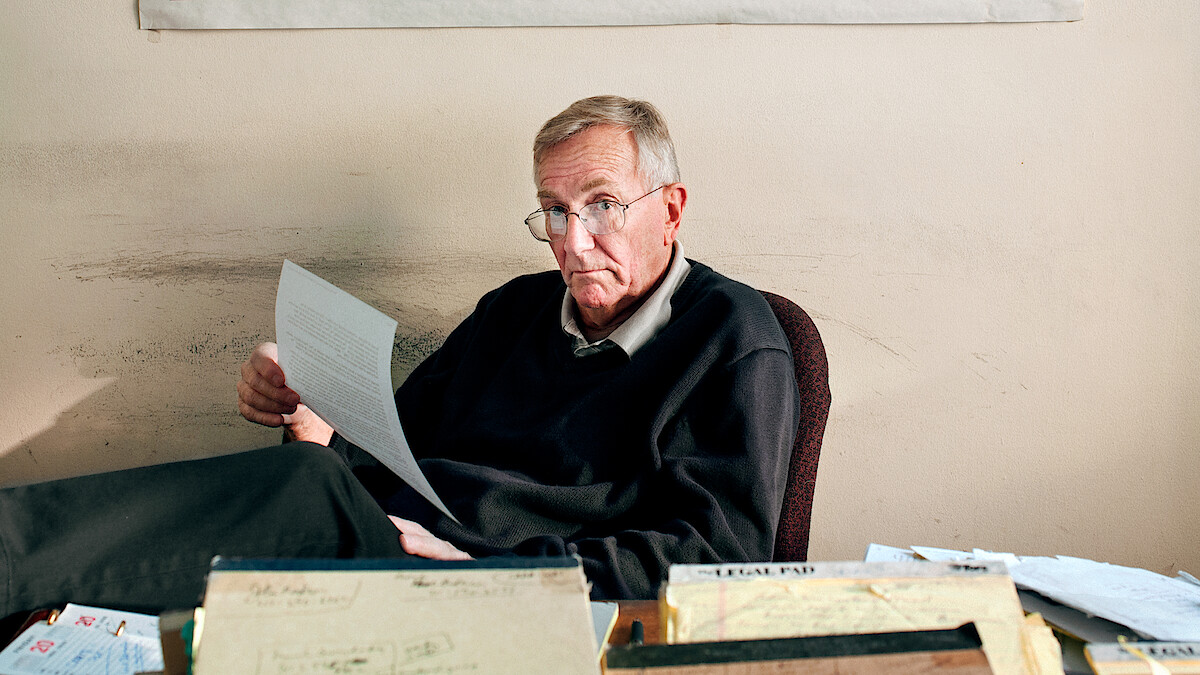
Cover-Up is not a flashy production; it eschews dramatic reenactments and bombastic scoring in favor of restraint and observation, much like Poitras’s signature style seen in her previous works. The film weaves together exclusive access to Hersh’s personal archives, primary sources, and footage to trace his career, framing it as both a personal portrait and a broader indictment of institutional impunity in the U.S. military and intelligence agencies. Hersh, often described as cranky yet compelling, reluctantly agreed to the project after Poitras first approached him in 2004. What emerges is a candid look at a man who has dedicated his life to exposing what powerful entities desperately want hidden.
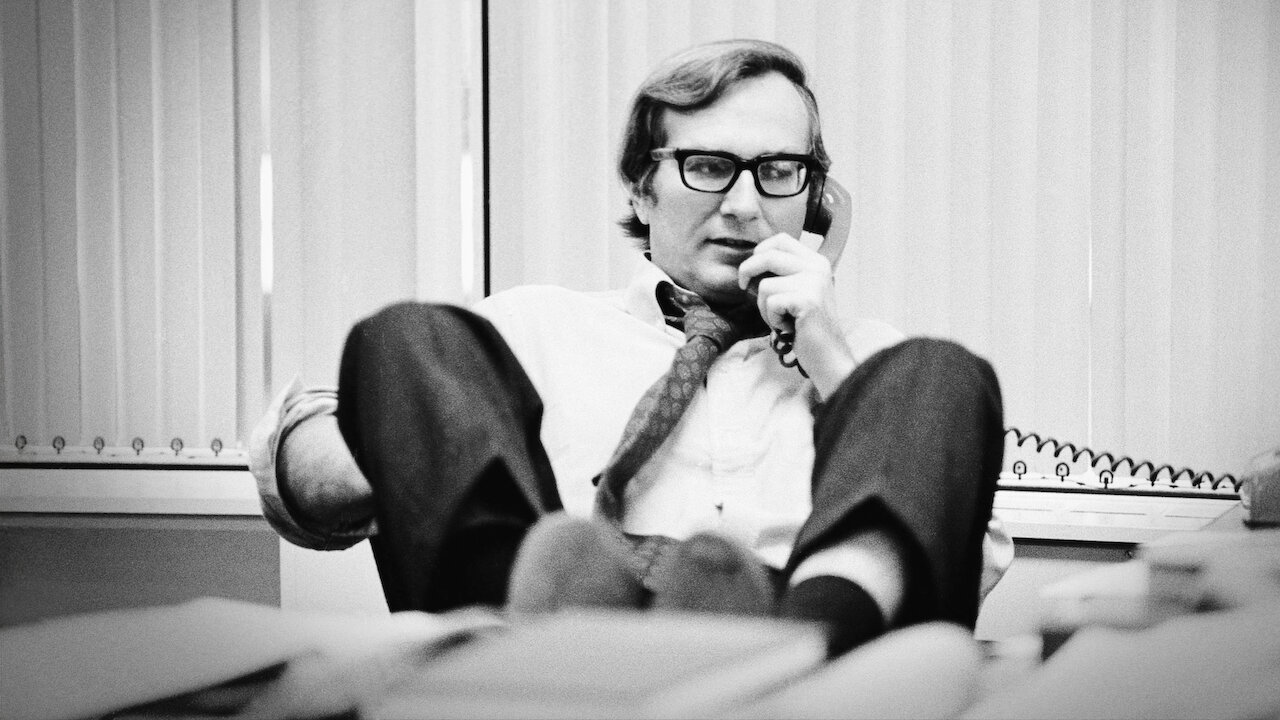
The documentary’s core revolves around Hersh’s most iconic scoops. It begins with his 1969 breakthrough: uncovering the My Lai massacre during the Vietnam War, where U.S. soldiers killed hundreds of unarmed Vietnamese civilians, including women and children. Hersh’s dogged pursuit—starting from a single tip and syndicating the story through the Dispatch News Service when major outlets hesitated—earned him a Pulitzer and thrust him into the national spotlight. The film details how he navigated closed doors, threats, and official denials to reveal not just the atrocity but the systematic cover-up that followed.
From there, Cover-Up chronologically explores other pivotal stories: the secret U.S. bombing of Cambodia, CIA domestic spying programs, aspects of Watergate, and, decades later, the prisoner abuse at Abu Ghraib during the Iraq War. Hersh’s 2004 reporting on Abu Ghraib, based on leaked photos and internal reports, shocked the world and highlighted patterns of violence and evasion of accountability. Interspersed are insights from collaborators like David Obst, who helped distribute the My Lai story, and Bob Woodward, providing context on Hersh’s methods and impact.
What sets Cover-Up apart is its focus on the human element—the toll of truth-seeking. Hersh reflects on his doubts, the personal costs, and the moral outrage that drove him. Born to immigrant parents in Chicago and expected to take over the family dry-cleaning business, Hersh’s path to journalism was unlikely. Yet his outsider perspective fueled an unyielding commitment to holding power accountable. The film captures moments of vulnerability, including Hersh’s initial reluctance to be the subject and his frustration during interviews, underscoring his lifelong protection of sources.
Critically acclaimed, Cover-Up holds a perfect 100% score on Rotten Tomatoes based on dozens of reviews, with praise for its “rigorous, unsentimental” approach and its role as a “defense of investigative journalism.” Metacritic scores it at 85/100, indicating universal acclaim. Viewers and critics alike have called it a “masterpiece” and “the most important documentary of the year,” noting its urgency in today’s climate of misinformation and attacks on the press. Some have even wished it were longer, a testament to its gripping narrative.
Produced with backing from Plan B (Brad Pitt’s company) and premiering at prestigious festivals like Venice, Telluride, and Toronto in 2025, Cover-Up transcends biography. It serves as a political thriller and a warning: cycles of institutional violence persist unless challenged by fearless reporting. In Hersh’s words, echoed in the film, journalism needs support now more than ever.
Watching Cover-Up is not easy—it confronts uncomfortable truths about American history and the price of silence. Yet it is essential viewing, inspiring reflection on the role of journalism in democracy. Would you press play? In a world that often looks away, this film demands we do not.