Mel Gibson’s long-awaited follow-up to The Passion of the Christ is officially moving forward. The Resurrection of the Christ is set to begin principal photography this summer at Rome’s legendary Cinecittà Studios, with Lionsgate backing the ambitious biblical epic. While no firm release date has been announced, production momentum and early buzz suggest this next chapter could become one of the most talked-about — and polarizing — religious films in years.
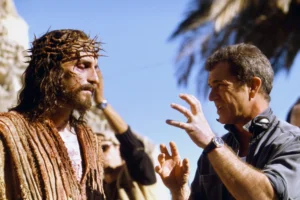
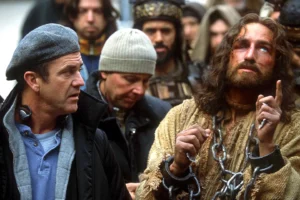
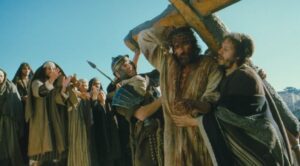
The original The Passion of the Christ (2004) remains one of the most successful independent films ever made, grossing over $612 million worldwide on a $30 million budget. Shot almost entirely in Aramaic, Latin, and Hebrew with subtitles, it depicted the final 12 hours of Jesus’ life in unflinching, graphic detail. The film sparked global debate — praised by many Christians as a powerful act of devotion, criticized by others for its violence, alleged anti-Semitism, and historical liberties. Gibson has long defended it as a personal vision of faith and sacrifice, and he has spent the past two decades quietly developing a sequel that picks up immediately after the resurrection.
The Resurrection of the Christ will explore the events following the empty tomb: the appearances to the disciples, the ascension, the birth of the early church, and the spread of the message in a hostile Roman world. Sources close to the production say Gibson is returning as director, writer, and co-producer, with Jim Caviezel reprising his role as Jesus. The script leans heavily into themes of faith, hope, redemption, and the cost of belief — elements Gibson believes were only hinted at in the first film.
Filming at Cinecittà — the historic studio where classics like Ben-Hur and Cleopatra were shot — is a deliberate choice. The massive backlots will allow Gibson to recreate Jerusalem, Roman forums, and early Christian gatherings with the same epic scale that defined The Passion. Production is expected to last 5–6 months, with a budget rumored to exceed $100 million — a significant step up from the first film’s modest financing.
The announcement has already divided opinion. Supporters see it as a triumphant return for Gibson, whose career was derailed by personal scandals and controversies in the 2000s and 2010s. “This is his redemption story — both on screen and off,” one industry insider told Deadline. Critics and advocacy groups have voiced concerns, pointing to Gibson’s past anti-Semitic remarks and the first film’s divisive reception. The Anti-Defamation League has said it will monitor the project closely.
Lionsgate, known for taking risks on faith-based and controversial material (The Passion, God’s Not Dead franchise), sees The Resurrection as a potential blockbuster. Early tracking suggests strong interest among evangelical audiences, who turned out in massive numbers for the original. International markets — especially Latin America, Africa, and parts of Asia — are also expected to respond strongly.
Gibson has remained relatively quiet about the project, but in a brief statement he said: “This story isn’t finished. The resurrection is the heart of the message — hope when everything seems lost. That’s what we’re telling.”
As cameras prepare to roll in Rome this summer, the film is already generating more conversation than most studio releases. Whether The Resurrection of the Christ becomes a cultural and commercial phenomenon like its predecessor — or reignites old controversies — remains to be seen. But one thing is certain: Mel Gibson is back, and he’s not playing it safe.
The wait is almost over. The story that changed cinema once is about to do it again.