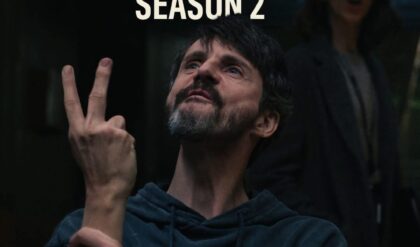
In the neon-drenched gutters of New York nightlife, where ambition simmers like a bad bet and family ties knot tighter than a noose, Netflix’s Black Rabbit promised a prestige potboiler: Jude Law and Jason Bateman as estranged brothers tumbling down a criminal rabbit hole. Premiering September 18, 2025, this eight-episode miniseries—penned by King Richard scribe Zach Baylin and The Diplomat vet Kate Susman—casts Law as sleek restaurateur Jake Friedken, co-founder of the titular hotspot, a pulsating palace of velvet ropes and vice where the elite devour deals and desires. Enter Bateman’s Vince, the prodigal screw-up: a gambling-gutted ghost from their Brooklyn past, slinking back with loan-shark shadows and a heroin haze, dragging Jake into a vortex of armed heists, daddy-issue detonations, and underground bookie bloodbaths. “It’s a thrill ride,” the logline lied, teasing unbreakable bonds shattering worlds. But eight hours in? It’s a relentlessly cheerless slog where sympathy evaporates faster than Vince’s winnings, leaving you numb, annoyed, and oddly cheering for the mobsters who promise a quicker end.

The setup sizzles superficially: Episode one’s cold open—Jake purring in a dodgy accent (“The night can go anywhere”) before goons gunpoint his glitzy launch—hooks with high-stakes grit, a Safdie-esque frenzy of flash cuts and throbbing bass. Law, 52 and still slinking like a silver fox, nails Jake’s coiled charisma: the ex-bandmate turned tastemaker, juggling a chemistry-free fling with Cleopatra Coleman’s icy interior designer Estelle and a kitchen cabal rife with abuse whispers (Amaka Okafor’s chef simmers with suppressed screams).

Bateman, 56, sports crunchy beard and battered locks to signal “fallen,” but it’s a miscast meltdown—his whiny everyman from Ozark‘s Marty Byrde bleeds through, turning Vince’s codependent chaos into cartoonish cosplay. “Middle-class dad playing felon,” one X troll nailed it, and you can’t unsee the suburban sheen under his strung-out snarl. Their brotherly banter? Fits and spurts of fire—Law’s pouty frustration clashing Bateman’s aggrieved gripes—but it’s undercut by accents (Jude’s Yankee twang wobbles like a wino) and a dynamic that feels reheated Arrested Development minus the laughs.

Baylin and Susman’s script piles on the misery: Vince’s debts summon sadistic sharks (Ṣọpẹ Dìrísù’s enforcer drips menace), unspooling flashbacks to a tyrannical dad (Troy Kotsur’s deaf patriarch, a bold swing that lands thuddingly) and rampant nightlife rot—sexual predation in the walk-ins, bloody rituals in back-alley bets. Directors like Laura Linney (helming eps 3-4, channeling Ozark shadows) amp the anxiety with desaturated palettes and breakneck edits, but it’s overwrought edginess: every bad call cascades into bleaker beats, ratcheting tension till it snaps into tedium. The Spotted Pig-inspired Black Rabbit? A dead ringer for mid-2000s excess, but dated as disco—glamour without bite, metaphors (rabbit holes of regret) hammered home like bad tattoos. Metacritic’s 62/100 whispers “favorable but flawed,” yet The Guardian eviscerates: “Impossible to care—the brothers are too stupid or sketched-thin for sympathy.” Variety dings the draggy pace, USA Today the lifeless lilt.
Fans? Polarized frenzy: #BlackRabbitNetflix surges with 1.8 million posts, defenders praising the “sublime sibling act” (Vulture) for gritty glimpses of loyalty’s lash, while detractors ditch: “Relentless misery—switched off at ep 2.” Bateman’s directorial chops shine in moody montages, Law’s loyalty gleams in loyalty’s lament, but the cheerless churn? It buries the brilliance. In a binge sea of Squid Game shocks, Black Rabbit hops into oblivion—elegant but exhausting, a meal too over-seasoned to savor. Skip the suffering; life’s grim enough without these fools’ folly.