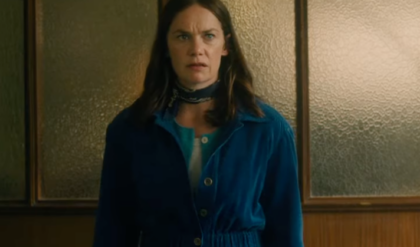
In the shadowed mills and misty moors of 1916 Yorkshire, where the distant thunder of World War I echoes like a dirge, a new cinematic gem emerges to stir the soul: The Choral. Directed by the masterful Nicholas Hytner (The History Boys, The Lady in the Van) and penned by the wry Alan Bennett in his first original screenplay in four decades, this poignant drama transforms a humble choral society into a bulwark against despair.
At its heart beats Ralph Fiennes, delivering a career-defining turn as the enigmatic Dr. Henry Guthrie—a choirmaster whose baton wields both harmony and heartbreak. Premiering to rapturous acclaim at the Toronto International Film Festival in September 2025 before its UK release on November 7 and US bow on December 25 via Sony Pictures Classics, The Choral is hailed as “an unforgettable binge experience” for its blend of levity, loss, and luminous music. Fans are raving, with early viewers on social media proclaiming it “a quiet masterpiece that sings straight to the heart.” In an era craving authenticity amid historical reboots, this film redefines the genre, proving Netflix’s spirit of bold storytelling lives on in theatrical form—though whispers of a streaming deal swirl.
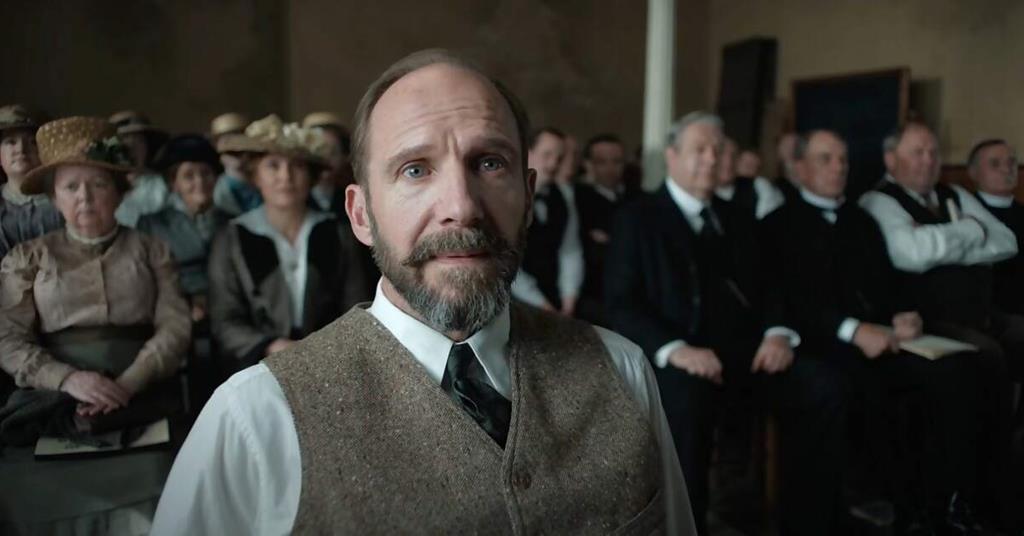
The plot unfurls in the fictional mill town of Ramsden, a microcosm of Britain’s wartime grit. As able-bodied men enlist, leaving the local Choral Society decimated, the ambitious committee—led by the bluff Alderman Bernard Duxbury (Roger Allam, channeling understated authority)—must improvise. Their original plan for a German-heavy repertoire crumbles under anti-Hun fervor; Bach and Beethoven are banished, forcing a pivot to Edward Elgar’s The Dream of Gerontius, a requiem-like oratorio on mortality that mirrors the era’s grim toll. Enter Dr. Henry Guthrie (Fiennes), a provocative outsider: a German-trained conductor, avowed atheist, and discreetly gay, fresh from Berlin with a past laced in secrecy. “Music is our defiance,” Guthrie declares in the trailer, his voice a velvet whip as he recruits a ragtag influx of teenagers—eager lads like Ellis (Taylor Uttley) and Lofty (Oliver Briscombe), and spirited girls including Mary (Emily Fairn)—to fill the ranks.
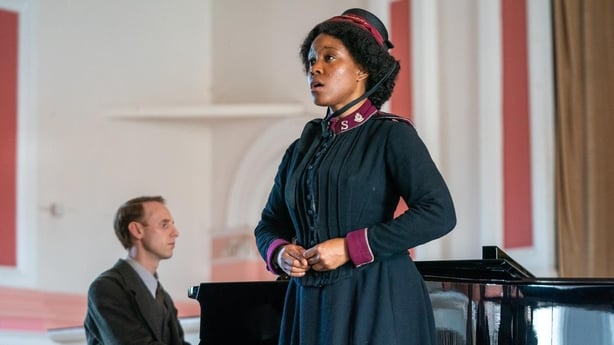
What begins as rehearsals fraught with off-key mishaps and provincial snobbery spirals into a tapestry of impossible choices. Guthrie, haunted by a lover in the German navy and his own repressed longings, clashes with the ensemble’s spectrum of souls: the epileptic baker Mitch (Shaun Thomas), the conscientious objector risking jail (Robert Emms as the pianist Horner, who harbors a quiet crush on his mentor), the widow Bishop (Lyndsey Marshal) peddling solace in shadowed alleys, and the bombastic Elgar himself (Simon Russell Beale, in a cameo of git-like genius). Betrayals simmer—whispers of Guthrie’s “unnatural” affections threaten scandal—while danger lurks in conscription notices that snatch boys from the choir stalls. Survival hinges on unity: breathtaking musical sequences, captured in ethereal crane shots by cinematographer Mike Eley, swell with Elgar’s soaring crescendos, intercut with suspenseful twists like midnight summons and forbidden letters from the front. Moments of breath-held tension abound, from a free public performance defying class barriers to the gut-wrench of farewells, where harmony fractures into haunting silence.
Fiennes commands the screen with mesmerizing intensity and nuance, his Guthrie a vortex of fervor and fragility—eyes flickering with unspoken grief, baton slicing air like a saber. “I’ve played sneery bastards before, but this one’s got soul,” Fiennes quipped at TIFF, crediting Bennett’s script for its “unsentimental candor” on queerness amid repression. The ensemble shines: Allam’s Duxbury blusters with comic pathos, Addy’s gruff tenor adds earthy humor, and the young recruits infuse raw vulnerability, their voices maturing from squeaks to symphonic power. Hytner, drawing on his National Theatre pedigree, orchestrates a gentle comedy-drama—think Brassed Off in minor key—that sidesteps war’s gore for its homefront ripples, blending wit, poignancy, and common sense.
Critics are enraptured. Peter Bradshaw in The Guardian praises it as “a quiet and consistent pleasure,” lauding its “deeply felt” restraint and Elgar’s redemptive pulse. Financial Times calls it a “gently trad affair” elevated by Fiennes’ titanic lead, while Screen Daily hails its “humorous approach to unspoken horrors,” predicting awards buzz post-Conclave nomination. Time Out notes its “elegant exploration of music as morale-boost,” though some decry off-screen stakes diluting the crescendo. On X, #TheChoral trends with fan art of misty rehearsals and quotes like “Fiennes conducts miracles—book your ticket now!”
In a landscape of bombastic blockbusters, The Choral is a clarion call to courage: proof that amid betrayal and bombs, art endures as rebellion. Each frame deepens the intrigue, from the choir’s improbable triumphs to Guthrie’s veiled survival—proving historical drama’s power to haunt and heal. Netflix may inspire its spirit, but this is cinema’s gift to modern audiences: tension that thrills, melodies that mend, and a reminder that even in war’s maw, voices raised together can conquer chaos. Don’t miss this breathtaking journey—it’s the holiday season’s most stirring serenade.